
Sorry, but your login has failed. Please recheck your login information and resubmit. If your subscription has expired, renew here.

May-June 2021
Indulge me for a minute, while I lead a cheer for our profession. I wrote my column for the January 2021 issue of SCMR one Sunday morning after watching the first trucks full of vaccine roll out of a Pfizer plant in Michigan, headed for a UPS sortation depot. I felt an incredible sense of optimism for the country, and pride in the role that we, as supply chain managers, were going to play to combat a pandemic. Supply chain as in the spotlight, and on that morning, it was for all the right reasons. Fast forward to late April 2021. Browse this issue archive.Need Help? Contact customer service 1-508-503-1313 More options
The role of suppliers has changed. The traditional focus for most procurement professionals was on cost efficiency, often through negotiated cost reductions. Today, as supply chains become more disintegrated, procurement increasingly turns to its supplier base for a substantial share of the value creation process that used to be done inhouse, including the suppliers’ roles in new product development and innovation—especially getting access to innovation before competitors. Suppliers are involved in operations at increasingly higher levels than in the past, including technologies, modules and even entire systems. Recent statistics show that suppliers in manufacturing and technology industries account for 60% to 80% of the gross value added.
This has two consequences. The first is that successful supplier relationships are more important than ever in today’s agile marketplaces. In particular, purchasing managers need to ensure that suppliers possess the right attributes to contribute to productive relationships. As suppliers become more integrated into their customers’ operations, they need attributes that go beyond competitive prices and the ability to deliver on time.
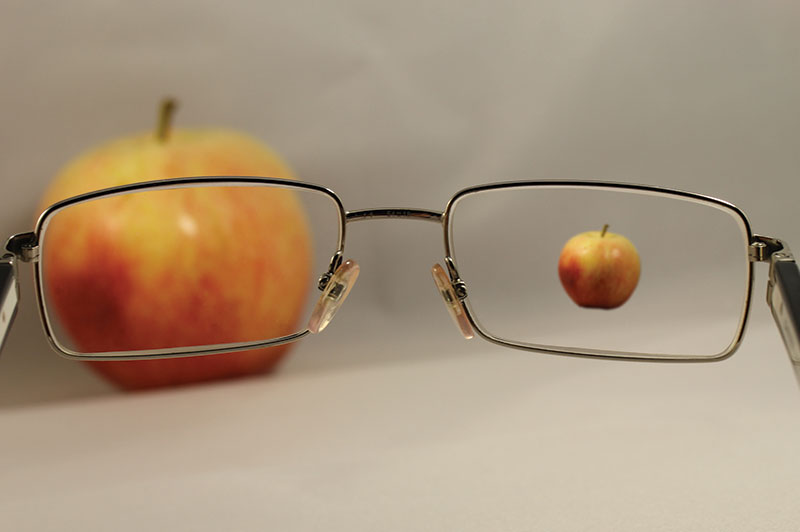
That leads to the second consequence: How procurement, and individual buyers, perceive the suppliers with which they do business. After all, perception is often reality. Traditionally, supplier selection and evaluation methods relied on objective, technical attributes and capabilities that could be measured prior to the relationship. However, many relevant supplier attributes will only be unveiled in the course of the relationship with a buyer firm; they can’t be objectively assessed based on checklists and supplier selection sheets.

This complete article is available to subscribers only.
Log in now for full access or start your PLUS+ subscription for instant access.
SC
MR
Sorry, but your login has failed. Please recheck your login information and resubmit. If your subscription has expired, renew here.
May-June 2021
Indulge me for a minute, while I lead a cheer for our profession. I wrote my column for the January 2021 issue of SCMR one Sunday morning after watching the first trucks full of vaccine roll out of a Pfizer plant in… Browse this issue archive. Access your online digital edition. Download a PDF file of the May-June 2021 issue.The role of suppliers has changed. The traditional focus for most procurement professionals was on cost efficiency, often through negotiated cost reductions. Today, as supply chains become more disintegrated, procurement increasingly turns to its supplier base for a substantial share of the value creation process that used to be done inhouse, including the suppliers’ roles in new product development and innovation—especially getting access to innovation before competitors. Suppliers are involved in operations at increasingly higher levels than in the past, including technologies, modules and even entire systems. Recent statistics show that suppliers in manufacturing and technology industries account for 60% to 80% of the gross value added.
This has two consequences. The first is that successful supplier relationships are more important than ever in today’s agile marketplaces. In particular, purchasing managers need to ensure that suppliers possess the right attributes to contribute to productive relationships. As suppliers become more integrated into their customers’ operations, they need attributes that go beyond competitive prices and the ability to deliver on time.
That leads to the second consequence: How procurement, and individual buyers, perceive the suppliers with which they do business. After all, perception is often reality. Traditionally, supplier selection and evaluation methods relied on objective, technical attributes and capabilities that could be measured prior to the relationship. However, many relevant supplier attributes will only be unveiled in the course of the relationship with a buyer firm; they can’t be objectively assessed based on checklists and supplier selection sheets.
SC
MR

Latest Supply Chain News
- From salon to dock door: Repurposing scheduling software for inbound flow
- The biggest barrier to AI in supply chains isn’t technology
- Rebuilding a planning function around the physical world
- Why companies blame the wrong supplier … and miss the real failure
- NextGen Supply Chain Conference unveils agenda focused on AI, execution and the future of leadership
- More News
Latest Podcast
 Explore
Business Management News
- Innovators Netstock, Pickle Robot win NextGen Solution Provider awards
- Bigger trucks versus broken bridges and roads
- From salon to dock door: Repurposing scheduling software for inbound flow
- The biggest barrier to AI in supply chains isn’t technology
- Rebuilding a planning function around the physical world
- Why companies blame the wrong supplier … and miss the real failure
- More Business Management
Latest Business Management Resources

Subscribe

Supply Chain Management Review delivers the best industry content.

Editors’ Picks



