
Procurement organizations have a compelling motive for advancing toward a vision of smart, efficient, digitally enabled operations, maintains a new report from The Hackett Group.
“Digital Continuous Improvement & Procurement: Value Creation at the Intersection of Smart Automation and Advanced Analytics,” contains recent research finds that world-class procurement organizations that fully optimize their technology architecture and embrace smart automation technologies can realize a productivity advantage of up to 68%, compared to typical procurement functions (or the peer group).
However, attaining digital world-class performance like this remains a challenge for most, researchers add. To do so, procurement organizations will need to navigate the complex process of establishing highly interdependent digital capabilities. One specific opportunity to create value occurs at the intersection of smart automation and advanced analytics.
This particular combination of digital capabilities can create a continuous improvement cycle that enables value capture throughout the life cycle of automated processes. From our observation, the combination of smart automation, analytics and digital continuous improvement represents the next frontier of value creation in procurement's digital transformation journey.
In an interview with SCMR, co-author Jimmy Lefever, he noted that The Hackett Group's Digital Skills Poll showed that only 15 percent of surveyed procurement organizations have the digital and strategic skills needed today.
“Although the report is specific to technology, it's important to understand that digital transformation is about more than just technology, it's also about agility, customer-centricity, and finding new ways of doing things.”
As a consequence, he said, although there may also be a need for new talent with technical competencies or so-called “digital natives,” there will be an equally if not greater need for strategy and relationship-based skills in a digitally transformed procurement model.
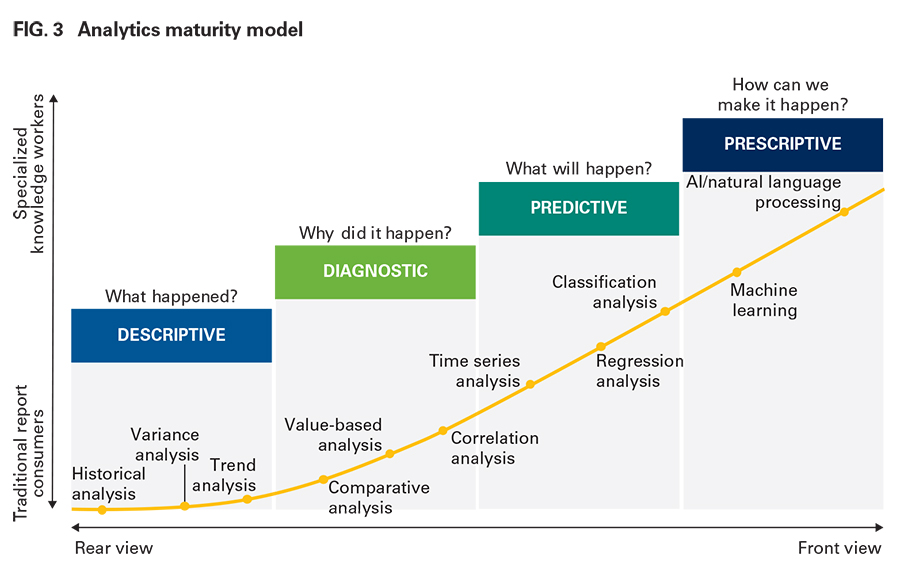
However, more of them are starting to include predictive and prescriptive analysis, which not only tells executives what happened and why, but what is going to happen, and how to either accelerate or mitigate it, as appropriate (Hackett Group).
“With specific reference to the technology aspect, in the technology provider space, a greater emphasis has been placed on creating intuitive user interfaces than ever before,” concludes Jimmy Lefever.
SC
MR


More Automation
- Wayfair executive to share lessons from building a tech-driven delivery network in NextGen Keynote
- The real reason supply chain tech ROI falls short
- DHL Supply Chain bets on data foundations, robotics, and agentic AI to drive growth
- AI-powered supply chains require work redesign, not just process automation
- Eli Lilly’s Mar Gimeno to keynote at NextGen Supply Chain Conference 2026
- Your supply chain automation should trade like a hedge fund
- More Automation
Latest Podcast
 Explore
Topics
Procurement & Sourcing News
- Coordinating AI-enabled supply chain operations
- The hidden supply chain risk no dashboard shows
- AI is reshaping the last meter of delivery
- Last-mile delivery success begins before the driver arrives
- Elucidating import container flows: A simulation study of Port of New York/New Jersey
- Wayfair executive to share lessons from building a tech-driven delivery network in NextGen Keynote
- More Procurement & Sourcing
Latest Procurement & Sourcing Resources
About the Author
Patrick Burnson, Executive Editor

Patrick is a widely-published writer and editor specializing in international trade, global logistics, and supply chain management. He is based in San Francisco, where he provides a Pacific Rim perspective on industry trends and forecasts. He may be reached at his downtown office: [email protected].
Follow SCMR on social media.
@SupplyChainManagementReview on Facebook
@SCMR on Twitter
SCMR on Linkedin
Subscribe

Supply Chain Management Review delivers the best industry content.

Editors’ Picks



