
The Global Cold Chain Alliance, a Washington D.C.-based industry association, reports that billions of pounds of food go to waste annually, while one in four people are malnourished.
One tool in the fight against global hunger is food banks. Food banking systems capture wholesome, surplus food and deliver it to the people who need it most, engaging all sectors of society, government, business and civil—in the process.
Food banks acquire donated food, much of which would otherwise be wasted, from farms, manufacturers, distributors, retail stores, consumers and other sources, making it available to those in need through an established network of community agencies.
Through its peer network of food bank leaders and its expert staff, The Global Food-Banking Network (GFN) provides food banks with the resources and expertise needed to better serve those facing hunger in their local communities.
GFN works with food banks in more than 30 countries and partners with local leaders to launch food banking operations in communities and countries where they had not previously existed. Since 2006, GFN has supported the launch of food banking organizations in 15 countries in emerging market economies in Central America, Asia and Africa.
With its partners Feeding America and the European Food Banks Federation, the three organizations' combined food assistance provides sustenance to 62.5 million impoverished people.
But all these efforts are in vain if the donated food cannot reach the food banks. Hunger is often not a food problem; it's a supply chain management problem.
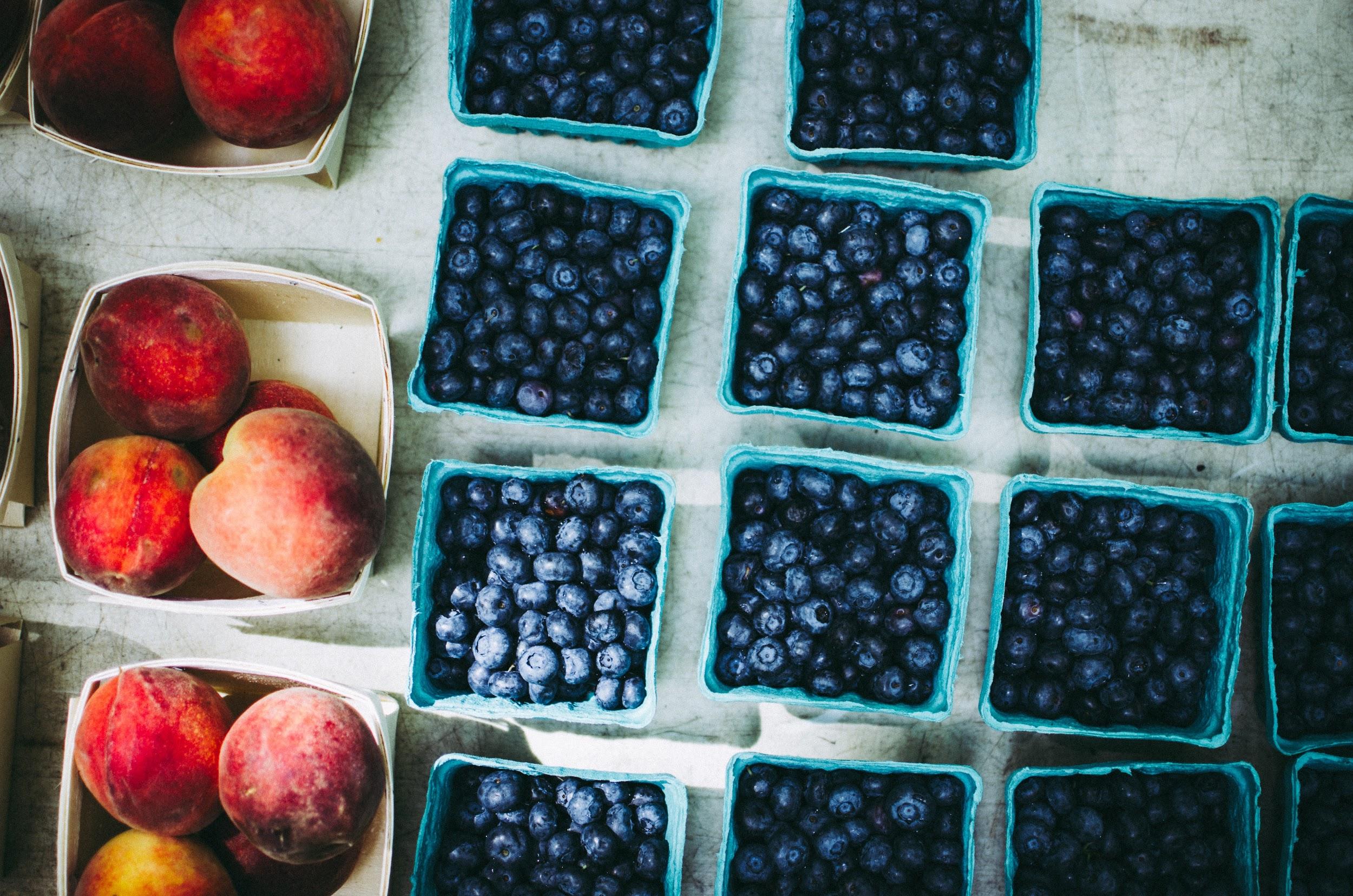
More than half of the billions of tons of food wasted every year are fresh fruit and vegetables. These healthy items are highly desired by food banks and often unaffordable for low-income families. But too often by the time these highly nutritious products get to food banks, they are very close to losing their quality and may be at risk of spoilage.
And, because food banks rely on food from the commercial food system, foodbanks have had to adjust to the trends that are occurring throughout the value chain.
As consumers transition to more fresh and perishable products, food banks find those are the products increasingly donated by retailers and other food donors. As a result, food banks are experiencing a decline in shelf stable foods in favor of produce and perishables in their supply chain.
“Adding and upgrading the cold chain infrastructure continues to be a priority for many of our food bank members around the world and a key component of their capacity building,” says Doug O'Brien, Vice President of Programs for The Global Food-Banking Network
SC
MR

Latest Supply Chain News
- Schneider Electric’s Jackie Zhu: Why the best leaders build careers across the business
- AI is driving change in supply chain skills and talent
- 4 moves supply chains must make as AI triggers a memory supply shock
- Innovators Netstock, Pickle Robot win NextGen Solution Provider awards
- Bigger trucks versus broken bridges and roads
- More News
Latest Podcast

 Explore
Business Management News
- Innovators Netstock, Pickle Robot win NextGen Solution Provider awards
- Bigger trucks versus broken bridges and roads
- From salon to dock door: Repurposing scheduling software for inbound flow
- The biggest barrier to AI in supply chains isn’t technology
- Rebuilding a planning function around the physical world
- Why companies blame the wrong supplier … and miss the real failure
- More Business Management
Latest Business Management Resources

About the Author
Patrick Burnson, Executive Editor

Patrick is a widely-published writer and editor specializing in international trade, global logistics, and supply chain management. He is based in San Francisco, where he provides a Pacific Rim perspective on industry trends and forecasts. He may be reached at his downtown office: [email protected].
Follow SCMR on social media.
@SupplyChainManagementReview on Facebook
@SCMR on Twitter
SCMR on Linkedin
Subscribe

Supply Chain Management Review delivers the best industry content.

Editors’ Picks



