Sunday, May 19, 2024 · Marisa Brown, senior principal research lead, supply chain, APQC
Supply chain organizations are always looking for greater visibility into spending. Leaders are dedicating additional resources to spend management, which seeks to answer several questions related to spend analysis.
The COVID-19 pandemic highlighted the need for special short-term planning teams to supplement an S&OP team. An S&OP team is always vital to managing the rudder for navigational purposes. However, Quick Response and supply-in-mind planning specialists need to help out…
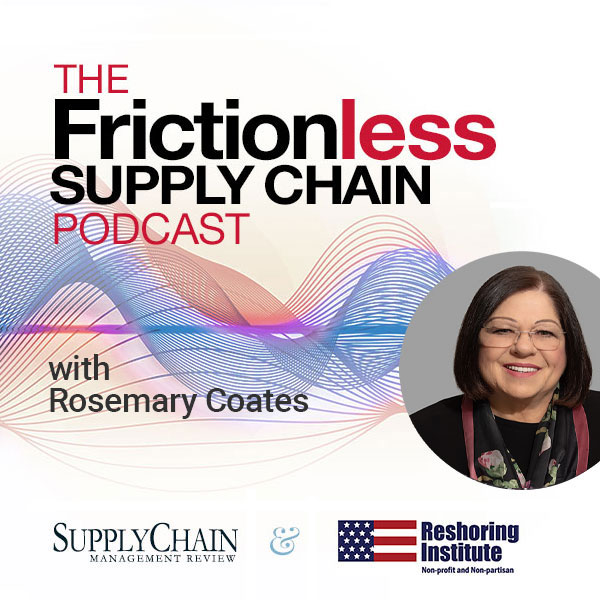
The reshoring trend is rapidly accelerating, but it is not new. Reshoring Institute Executive Director Rosemary Coates provided a history lesson on reshoring at the recent ISM World conference.
Supply chain disruption scenario planning continues to remain robust, but there is some fatigue settling in as fewer organizations are making it a priority.
Geopolitical risk advisor Ian Bremmer says that despite the current global political environment, most countries are recognizing the importance of a global supply chain.
The passage of a U.S. aid package for Israel and Ukraine comes at a time of an expected increase in commercial aviation manufacturing, adding further pressure to aerospace and defense supply chains.
The recent case of thousands of autos being denied entry to the U.S. over concerns of forced labor used by a sub-assembly supplier illustrates the need to improve scrutiny of the supply chain.
While shifting Asian cargo from East Coast to West Coast U.S. ports adds time and cost, it is one option shippers have to counter continued risk in the Red Sea.
December imports, at 2.2 million TEU (Twenty-Foot Equivalent Units), increased 9% in December, matching November’s annual percentage gain. For all of calendar year 2023, S&P reported that imports fell 8.5%, to 28.9 million TEU, while the fourth quarter posted an 8%…
As shippers navigate goods around low water levels in the Panama Canal and risks in the Red Sea, rates are rising and the risk of downstream disruptions is growing.
While nearshoring can be a risk mitigation tool, it’s important for businesses to consider the differences between countries, including cultural, trade and even weather patterns, which can lead to road closures or weight reductions.
Don’t miss out on the best in supply chain. Get premium
resources and in-depth, comprehensive feature articles written by the industry's top experts – delivered.