
One of the important design choices in building a credible cost reduction tracking system is what should we measure our cost reductions against. There are some basic choices:
• Costs of a baseline year (e.g. the year just before your efforts began)
• Prior year costs (so-called “year-over-year reporting”)
• Business plan (budget) for the current year
• Market
In the most advanced organizations, capabilities exist to do all of the above. What’s right for you will depend mainly on your company’s financial office, and your internal clients.
Another very useful technique is to track progress on individual projects from the initial “identified opportunity” through “on the table” (initial offers), to “final negotiated” results, to “realized benefits.”
SC
MR

Latest Supply Chain News
- Why companies blame the wrong supplier … and miss the real failure
- NextGen Supply Chain Conference unveils agenda focused on AI, execution and the future of leadership
- From fragmented negotiations to coordinated negotiation performance: an AI-enabled approach
- Supply chain resilience isn’t a data problem; it’s a judgment problem
- Beyond the hype: Building flexible and scalable supply chains in a VUCA world
- More News
Latest Resources
 Explore
Topics
Latest Supply Chain News
- Why companies blame the wrong supplier … and miss the real failure
- NextGen Supply Chain Conference unveils agenda focused on AI, execution and the future of leadership
- From fragmented negotiations to coordinated negotiation performance: an AI-enabled approach
- Supply chain resilience isn’t a data problem; it’s a judgment problem
- Beyond the hype: Building flexible and scalable supply chains in a VUCA world
- Why your supply chain risk management plan will fail
- More latest news
Latest Resources
About the Author
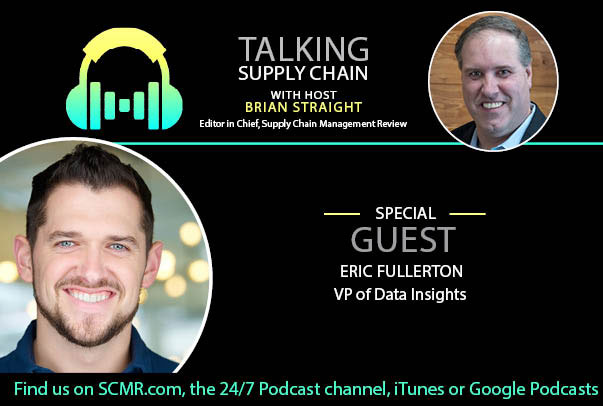
Robert A Rudzki, SCMR Contributing Blogger

Robert A. Rudzki is a former Fortune 500 Senior Vice President & Chief Procurement Officer, who is now President of Greybeard Advisors LLC, a leading provider of advisory services for procurement transformation, strategic sourcing, and supply chain management. Bob is also the author of several leading business books including the supply management best-seller “Straight to the Bottom Line®”, its highly-endorsed sequel “Next Level Supply Management Excellence,” and the leadership book “Beat the Odds: Avoid Corporate Death & Build a Resilient Enterprise.” You can reach him through his firm’s website: www.greybeardadvisors.com
Follow SCMR on social media.
@SupplyChainManagementReview on Facebook
@SCMR on Twitter
SCMR on Linkedin
Subscribe

Supply Chain Management Review delivers the best industry content.

Editors’ Picks



