
Among the many ongoing concerns for managers of global supply chains has been the proliferation of hostile hackers and the dark money that supports and enriches them.
To counter this phenomenon, several “bug bounty” platforms have surfaced, employing their teams of highly gifted and motivated hackers who strike first to thwart a devastating attack.
“We've learned from years of breaches and lost trust that we need to get smarter to protect our digitally connected society,” says Mårten Mickos, the chief executive officer of HackerOne, one of the premier “hacker-powered” security platforms designed to give supply chain managers the ability to resolve critical vulnerabilities before they can be exploited.
HackerOne is headquartered in San Francisco with offices in London, New York, and the Netherlands.
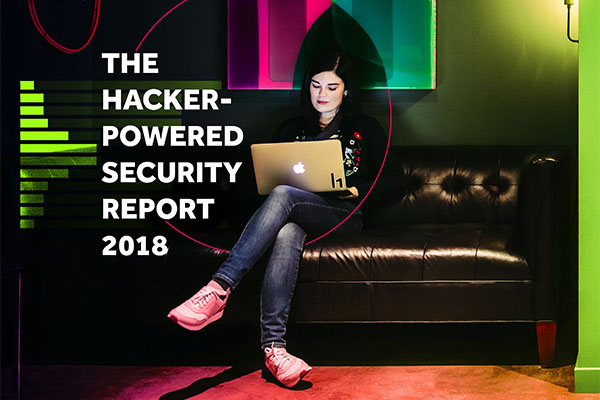
Mickos notes that The Hacker-Powered Security Report 2018 released last week indicates that “bug bounty” programs in particular are no longer limited to tech companies.
“All supply chains irrespective of industry are vulnerable,” he says.
Indeed, among HackerOne's clients are the U.S. Department of Defense, U.S. General Service Administration, General Motors, Google, Twitter, GitHub, Nintendo, Lufthansa, Panasonic Avionics, Qualcomm, Starbucks, Dropbox, and Intel.
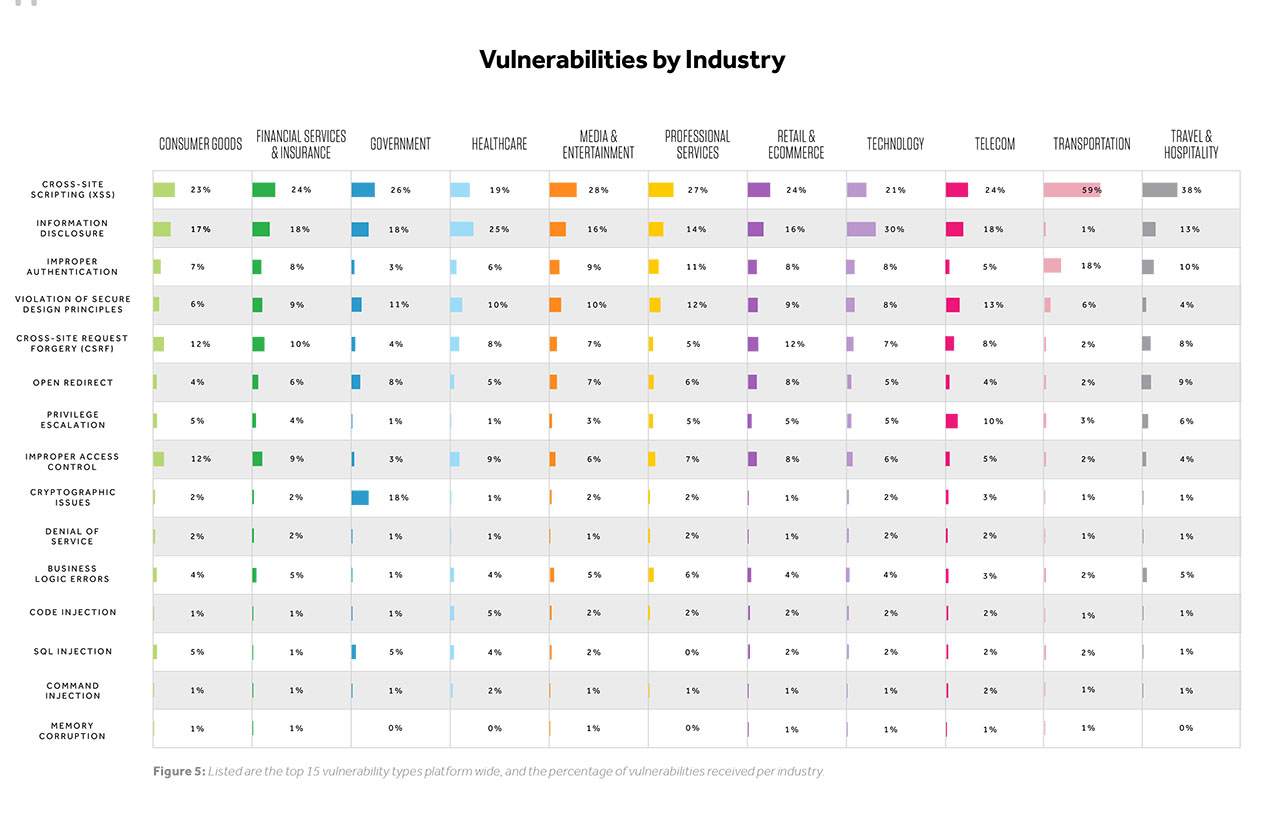
“HackerOne customers have resolved over 72,000 vulnerabilities and awarded over $30 million in bug bounties,” observes Mickos.
The Hacker Report was based on over 1,700 responses to the 2017 HackerOne Community Survey, including hackers who successfully reported one valid vulnerability, as indicated by the organization that received the vulnerability report.
“Nearly every company has a digital presence that is susceptible to intrusion, and for that reason, businesses outside of the traditional tech realm—like Shopify—have adopted bug bounty programs,” note researchers. Shopify has paid over $850,000 in rewards, resolved 759 vulnerabilities and has an all-time average first response time of just 3 hours and an average resolution time of just 25 days.
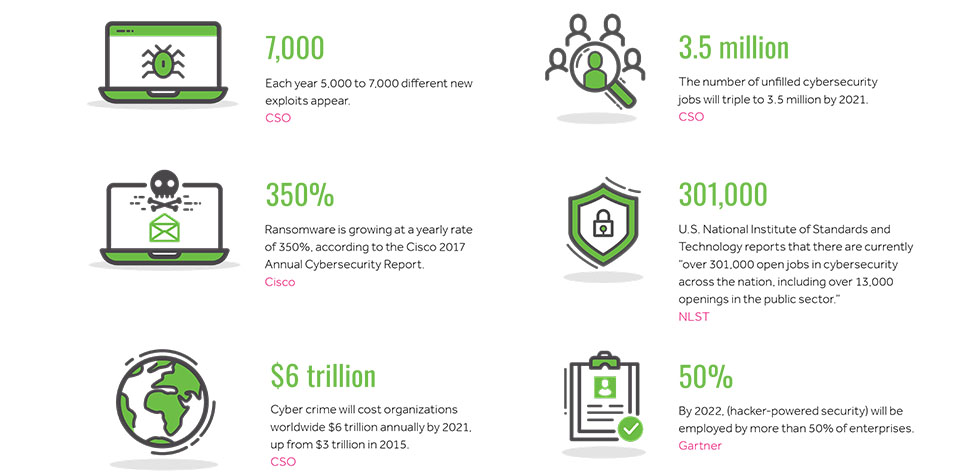
“Trying to address this problem dates back to the 1980s,” says Mickos. “But until recently, it had been ad hoc and spontaneous without any pooling of intelligence and resources. Fortunately, we've ‘gamafied' the system and created critical mass to anticipate these supply chain attacks and reduce companies' exposure while changing the risk landscape.”
SC
MR

Latest Supply Chain News
- From salon to dock door: Repurposing scheduling software for inbound flow
- The biggest barrier to AI in supply chains isn’t technology
- Rebuilding a planning function around the physical world
- Why companies blame the wrong supplier … and miss the real failure
- NextGen Supply Chain Conference unveils agenda focused on AI, execution and the future of leadership
- More News
Latest Podcast

 Explore
Software & Technology News
- Innovators Netstock, Pickle Robot win NextGen Solution Provider awards
- The biggest barrier to AI in supply chains isn’t technology
- NextGen Supply Chain Conference unveils agenda focused on AI, execution and the future of leadership
- From fragmented negotiations to coordinated negotiation performance: an AI-enabled approach
- Beyond the hype: Building flexible and scalable supply chains in a VUCA world
- Managing human and AI teams across the supply chain
- More Software & Technology
Latest Software & Technology Resources
About the Author
Patrick Burnson, Executive Editor

Patrick is a widely-published writer and editor specializing in international trade, global logistics, and supply chain management. He is based in San Francisco, where he provides a Pacific Rim perspective on industry trends and forecasts. He may be reached at his downtown office: [email protected].
Follow SCMR on social media.
@SupplyChainManagementReview on Facebook
@SCMR on Twitter
SCMR on Linkedin
Subscribe

Supply Chain Management Review delivers the best industry content.

Editors’ Picks



