
Sorry, but your login has failed. Please recheck your login information and resubmit. If your subscription has expired, renew here.
September-October 2021
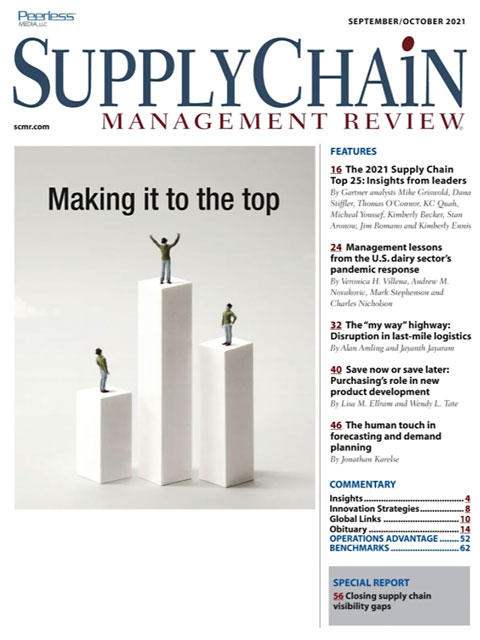
This time every year, we publish Gartner’s Top 25 supply chains, the annual list of the supply chains that have made it to the top, a list that now also includes 5 Masters, or companies that have consistently outperformed year after year. You can read the article in this issue, along with the web exclusive material we publish on scmr.com, to find out what it takes to become a supply chain leader. Browse this issue archive.Need Help? Contact customer service 1-508-503-1313 More options
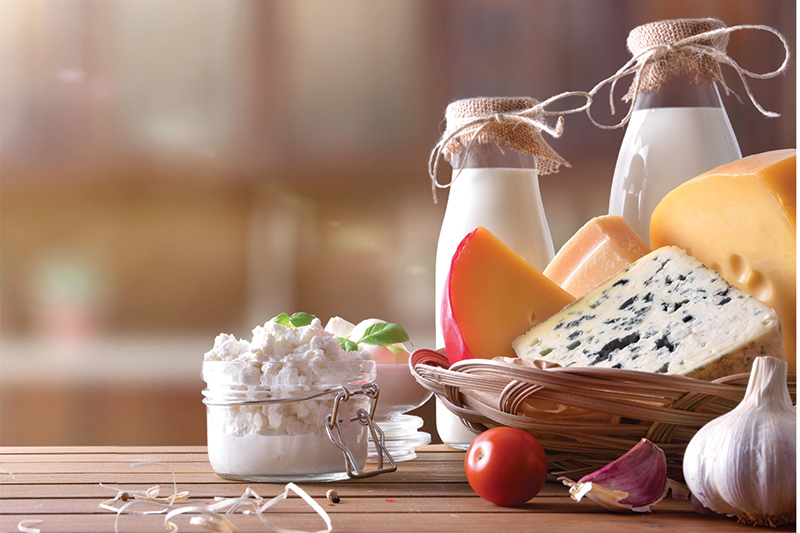
There’s an old adage that you discover true character when faced with adversity. Based on that, what the dairy industry demonstrated during COVID-19 is a remarkable flexibility that allowed it to break away from old practices no longer valuable to its supply chain. That is no easy feat.
While we have made enormous strides in fighting the pandemic it is much more difficult to assess progress mitigating COVID-19’s effects on the supply chain.
For instance, Intel said this summer that the chip shortage may not be fully resolved until 2023. Upholstered furniture ordered mid-year may not appear in your living room until early 2022 due to polyurethane cushioning shortages. And in June, a Bloomberg article suggested that the Fourth of July was a good time to wrap up your holiday shopping. Seriously?
While those are inconveniences, we do emotionally feel the impact of these supply chain disruptions. And we don’t like any of it. That makes it imperative to figure out what’s going on here. It would be even more helpful to fully understand how COVID-19 has changed supply chains and established practices. And it would be best if we could find ways to use those shifts to our advantage rather than being disadvantaged by them going forward.
Probably no supply chain is more vulnerable yet foundational to how we live than food. Who doesn’t remember going to the grocer last year to find meat cases and refrigerated dairy sections severely depleted for extended periods of time? This is far beyond an inconvenience.
Quite simply, the food supply chain is no small potatoes, to coin a phrase. It has an obvious importance for meeting basic human needs but also constitutes a key economic activity.

This complete article is available to subscribers only.
Log in now for full access or start your PLUS+ subscription for instant access.
SC
MR
Sorry, but your login has failed. Please recheck your login information and resubmit. If your subscription has expired, renew here.
September-October 2021
This time every year, we publish Gartner’s Top 25 supply chains, the annual list of the supply chains that have made it to the top, a list that now also includes 5 Masters, or companies that have consistently… Browse this issue archive. Access your online digital edition. Download a PDF file of the September-October 2021 issue.There’s an old adage that you discover true character when faced with adversity. Based on that, what the dairy industry demonstrated during COVID-19 is a remarkable flexibility that allowed it to break away from old practices no longer valuable to its supply chain. That is no easy feat.
While we have made enormous strides in fighting the pandemic it is much more difficult to assess progress mitigating COVID-19’s effects on the supply chain.
For instance, Intel said this summer that the chip shortage may not be fully resolved until 2023. Upholstered furniture ordered mid-year may not appear in your living room until early 2022 due to polyurethane cushioning shortages. And in June, a Bloomberg article suggested that the Fourth of July was a good time to wrap up your holiday shopping. Seriously?
While those are inconveniences, we do emotionally feel the impact of these supply chain disruptions. And we don’t like any of it. That makes it imperative to figure out what’s going on here. It would be even more helpful to fully understand how COVID-19 has changed supply chains and established practices. And it would be best if we could find ways to use those shifts to our advantage rather than being disadvantaged by them going forward.
Probably no supply chain is more vulnerable yet foundational to how we live than food. Who doesn’t remember going to the grocer last year to find meat cases and refrigerated dairy sections severely depleted for extended periods of time? This is far beyond an inconvenience.
Quite simply, the food supply chain is no small potatoes, to coin a phrase. It has an obvious importance for meeting basic human needs but also constitutes a key economic activity.
SC
MR

Latest Supply Chain News
- From salon to dock door: Repurposing scheduling software for inbound flow
- The biggest barrier to AI in supply chains isn’t technology
- Rebuilding a planning function around the physical world
- Why companies blame the wrong supplier … and miss the real failure
- NextGen Supply Chain Conference unveils agenda focused on AI, execution and the future of leadership
- More News
Latest Podcast
 Explore
Procurement & Sourcing News
- Innovators Netstock, Pickle Robot win NextGen Solution Provider awards
- From salon to dock door: Repurposing scheduling software for inbound flow
- The biggest barrier to AI in supply chains isn’t technology
- Rebuilding a planning function around the physical world
- Why companies blame the wrong supplier … and miss the real failure
- NextGen Supply Chain Conference unveils agenda focused on AI, execution and the future of leadership
- More Procurement & Sourcing
Latest Procurement & Sourcing Resources
Subscribe

Supply Chain Management Review delivers the best industry content.

Editors’ Picks



