Supply chain resilience depends less on technology and more on managerial judgment, organizational flexibility, and the ability to make high-quality decisions under uncertainty.
Building resilient supply chains in today’s volatile business environment requires standardized digital platforms, integrated automation, and AI-powered orchestration that enable humans and…
Traditional supply chain risk management systems are no longer sufficient for today’s trade environment, requiring companies to adopt AI-powered, product-level visibility and end-to-end…
Friday, July 10, 2026 · Alex Solis and Rodney Thomas
Supply chain resilience depends less on technology and more on managerial judgment, organizational flexibility, and the ability to make high-quality decisions under uncertainty.
Thursday, July 9, 2026 · Tim Tetzlaff, Digital Transformation Officer, DHL Supply Chain
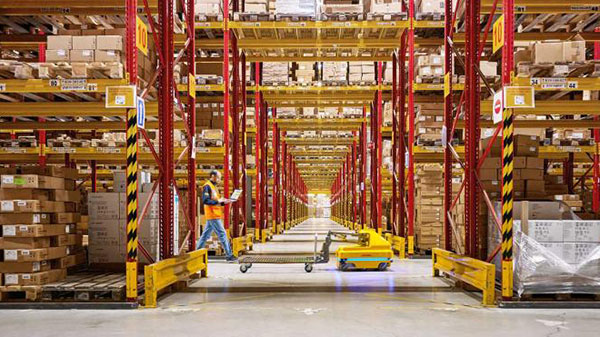
Building resilient supply chains in today’s volatile business environment requires standardized digital platforms, integrated automation, and AI-powered orchestration that enable humans and robots to work together in flexible, scalable operations.
Wednesday, July 8, 2026 · Evan Smith, CEO and Co-founder, Altana
Traditional supply chain risk management systems are no longer sufficient for today’s trade environment, requiring companies to adopt AI-powered, product-level visibility and end-to-end traceability to manage tariffs, regulatory compliance, and geopolitical risk.
Component verification must move beyond supplier qualification to lot-level integrity checks, because the most costly supply chain failures often stem from misrepresented components that pass standard inspections and are only discovered after production or field failures.
As the U.S. seeks to enforce laws against using forced labor in supply chains, China has countered with laws that make it illegal to map supply chains inside China.
Supply chain teams operate in environments where conditions can change by the hour (or faster). To keep pace, many organizations are embedding AI directly into their workflows. AI-driven systems increasingly help teams monitor operations, identify risks, surface…
Thursday, July 2, 2026 · Neal Walters and Bill Duffy
As labor shortages, capacity constraints, and record infrastructure spending reshape capital markets, leading organizations are turning to risk-sharing contracts to improve execution, accelerate decision-making, and gain a competitive advantage in project delivery.
If you believe the headlines, AI is about to put global supply chains on autopilot, quietly sidelining planners, buyers, and logistics managers. That may make for great clickbait, but it’s not the story unfolding inside leading supply chain organizations.
Thursday, July 2, 2026 · Gastón Cedillo, Ph.D. and Chris Mejia-Argueta, Ph.D.
For decades, trade agreements have focused on fundamental components: product or service features, markets, regulatory standards, investment protections, and dispute resolution. Recent supply chain disruptions have exposed critical weaknesses.
As geopolitical tensions expose vulnerabilities in global trade routes, supply chain leaders can apply the “Theory of Constraints” to identify chokepoints, build strategic buffers, and design more resilient networks capable of absorbing disruption before it becomes a crisis.
The rush to implement AI, robotics, and other automation solutions isn’t the key to success; but it is a holistic approach to solving your pain points.
The INFORMS Analytics+ Conference demonstrated that organizations combining advanced analytics, AI, and operations research with business expertise are creating a widening competitive advantage over supply chain leaders that are not developing internal analytical capabilities.
As supply chains embed AI across operations, organizations must strengthen coordination, governance, visibility, and workforce capabilities to ensure intelligent systems deliver scalable business value.
Traditional supply chain risk frameworks often overlook component-level integrity, leaving organizations vulnerable to counterfeit, compromised, or mislabeled electronic parts that can trigger costly production disruptions, recalls, and product failures.
Monday, June 29, 2026 · Simon Jacobson, VP Analyst, Gartner Supply Chain Practice
Chief supply chain officers can accelerate manufacturing transformation by aligning plant leaders with enterprise strategy, focusing technology investments on operational pain points, and establishing governance that connects factory performance to broader supply chain…
Subscribe to our weekly e-mail update
Don’t miss out on the best in supply chain. Get premium
resources and in-depth, comprehensive feature articles written by the industry's top experts – delivered.