
The on-going pandemic has created chaos for retailers and manufacturers trying to keep up with supply and demand, maintain analysts with Chicago-based commercial real estate broker JLL.
“Ocean carriers have been deploying more and larger vessels to catch up which is creating chaos at the ports,” says Rich Thompson, International Director of the Supply Chain & Logistics Solutions consulting practice for JLL.
A new research paper – “The Shipping Crisis” – co-authored by Thompson notes that retailers and manufacturers have had an increasingly difficult time keeping store shelves filled and fulfilling orders due to swings in consumer spending patterns since the advent of the virus.
The pandemic related demand patterns caused disruptions to manufacturing supply chains and ocean carriers’ sailing schedules were severely disrupted. U.S. ports got caught in the bull whip effect… initially volumes plummeted, but now are surging.
“The stimulus-driven shift in consumer behavior caught retailers off guard,” notes Thompson. “When the economy shut down in the first half of 2020, retail sales plummeted, and inventories soared.”
As the economy began reopening, retail sales began to surge (this is highly correlated with the first fiscal stimulus response). Retailers’ sales have remained well above pre-pandemic trend levels since then and as sales surged, inventories of many household products disappeared off the shelves.
Retail goods, especially imported ones, were soon out of stock. The inventory-to-sales ratio has dropped to $1.19 of inventories per $1 of sales, the lowest level since the data was first published in 1992. Retailers have indicated they will start holding more “just in case” inventories closer to their consumers to reduce the risk of a stock-out reoccurrence. But first they need to get inventories back to normal levels.
“Ocean carriers have been deploying more and larger vessels from China to the ports of LA/LB and the incoming volume has been overwhelming,” says Thompson. “Substantial numbers of stevedores and truck drivers were infected with Covid-19 and/or exiled for two weeks due to exposure to Covid-19 slowing the movement of containers and leaving them over-crowded.”
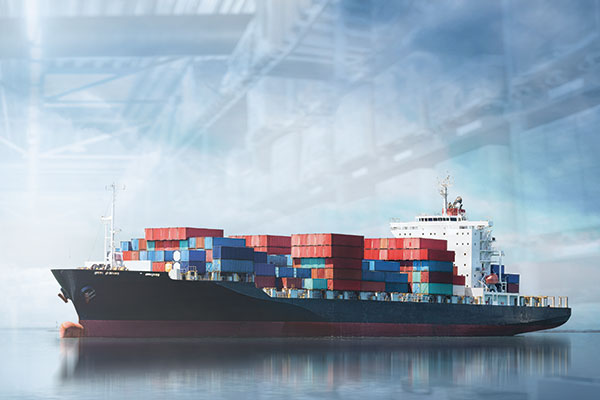
Since November 2020, there have been at any time 20 to 40 container vessels anchored outside the SoCal ports, waiting for a berth as long as 10 days waiting for anyone of 13 terminals.
Shortages of workers (due to Covid-19), truck chassis, railcars and container boxes worsen the situation.
Tomorrow Part II: “The China Factor”
SC
MR

More Ports & Shipping
- NextGen Supply Chain Conference unveils agenda focused on AI, execution and the future of leadership
- From fragmented negotiations to coordinated negotiation performance: an AI-enabled approach
- Strait of Hormuz reopens, but supply chains face a long road to recovery
- Coordinating AI-enabled supply chain operations
- Elucidating import container flows: A simulation study of Port of New York/New Jersey
- Wayfair executive to share lessons from building a tech-driven delivery network in NextGen Keynote
- More Ports & Shipping
Latest Resources
 Explore
Topics
Procurement & Sourcing News
- When component verification becomes operational
- Caught between a rock and a hard place: Mapping your supply chain
- What options do you really have? Shaping the supply chain resilience funnel
- Nexus suppliers: Hidden anchors of resilience in decentralized supply chains
- Lead time economics: What semiconductor supply chains reveal about strategic planning
- Risk sharing is the new advantage in capital project delivery
- More Procurement & Sourcing
Latest Procurement & Sourcing Resources

About the Author
Patrick Burnson, Executive Editor

Patrick is a widely-published writer and editor specializing in international trade, global logistics, and supply chain management. He is based in San Francisco, where he provides a Pacific Rim perspective on industry trends and forecasts. He may be reached at his downtown office: [email protected].
Follow SCMR on social media.
@SupplyChainManagementReview on Facebook
@SCMR on Twitter
SCMR on Linkedin
Subscribe

Supply Chain Management Review delivers the best industry content.

Editors’ Picks



