
A new research paper by AlixPartners on “sourcing and purchasing transformation,” reveals that supply chain managers may face fresh challenges in the coming months.
Titled, “Rough seas ahead for procurement,” the paper notes that traditional business models of many industries are being disrupted by technological innovation, putting a cap on the ability to pass price increases on to consumers.
For example, in the business-to- business space, the e-commerce giant Alibaba has already revolutionized the way smaller businesses source products, displacing smaller, local suppliers, and allowing access to a global supply chain.
Meanwhile, Procure2Pay systems such as Ariba, Coupa, and Emptoris have provided transparency on the requisition, receiving, and paying of goods and services and have improved internal controls, giving procurement teams further leverage when negotiating with suppliers.
Clifton Wessels-Yen, AlixPartner's managing director, told SCMR in an interview that while certain secular trends – such as technological innovation – may continue to keep a lid on pricing behavior, other factors are shifting the balance of power back to the vendors, and the procurement team must be prepared.
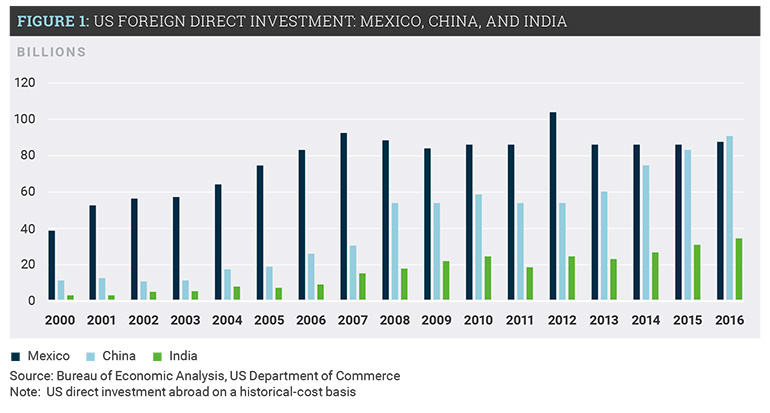
“The emerging markets that have been viewed as relatively safe havens for market penetration will still expose some U.S. shippers to considerable risk,” he says. “As with ‘frontier markets,’” we advise our clients to develop a measured approach to doing business there. It's best to go in careful stages to keep from being overwhelmed.”
The prior trend of globalization, which contributed significantly to the disinflationary environment, has encountered serious obstacles recently and is likely retrenching. Analysts say they have already seen the opening shots of protectionism and nationalism.
In March 2018, the United States proposed tariffs on imported steel and aluminum, from which a number of countries (largely U.S. allies) would be exempt (at least for a period of time), as well as additional sanctions on $150 billion of Chinese exports. In retaliation, the Chinese government has threatened to impose 25% duties on a number of targeted U.S. exports.
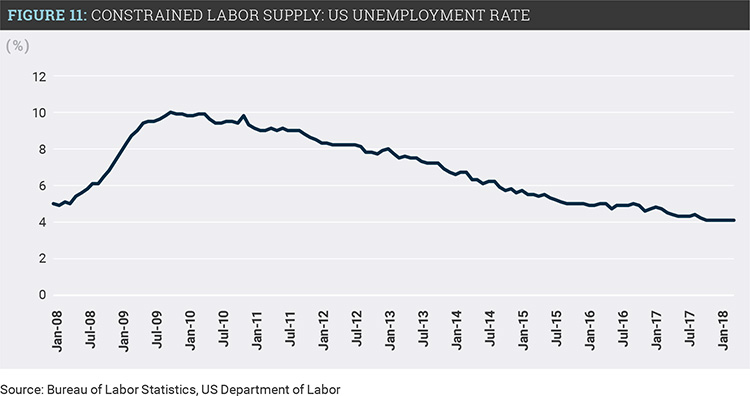
This potential trade war, with its threat of an escalating cycle of trade restrictions and retaliation, is selectively increasing manufacturing costs while at the same time tamping down demand, observe AlixPartners analysts.
SC
MR


Latest Supply Chain News
- Beyond the hype: Building flexible and scalable supply chains in a VUCA world
- Why your supply chain risk management plan will fail
- When component verification becomes operational
- Caught between a rock and a hard place: Mapping your supply chain
- What options do you really have? Shaping the supply chain resilience funnel
- More News
Latest Resources
 Explore
Procurement & Sourcing News
- When component verification becomes operational
- Caught between a rock and a hard place: Mapping your supply chain
- What options do you really have? Shaping the supply chain resilience funnel
- Nexus suppliers: Hidden anchors of resilience in decentralized supply chains
- Lead time economics: What semiconductor supply chains reveal about strategic planning
- Risk sharing is the new advantage in capital project delivery
- More Procurement & Sourcing
Latest Procurement & Sourcing Resources
About the Author
Patrick Burnson, Executive Editor

Patrick is a widely-published writer and editor specializing in international trade, global logistics, and supply chain management. He is based in San Francisco, where he provides a Pacific Rim perspective on industry trends and forecasts. He may be reached at his downtown office: [email protected].
Follow SCMR on social media.
@SupplyChainManagementReview on Facebook
@SCMR on Twitter
SCMR on Linkedin
Subscribe

Supply Chain Management Review delivers the best industry content.

Editors’ Picks



